Evolutionary Body
Starting from the body itself, reimagine how the skeleton, limbs, head, organs, and sensory systems might evolve in the future. The body has never been fixed. If evolution continues, what might the body of the future become?
PLUSX
Global Science × AI × Art Initiative
2026
Create
Imagine
Evolve
From deep time
to future species
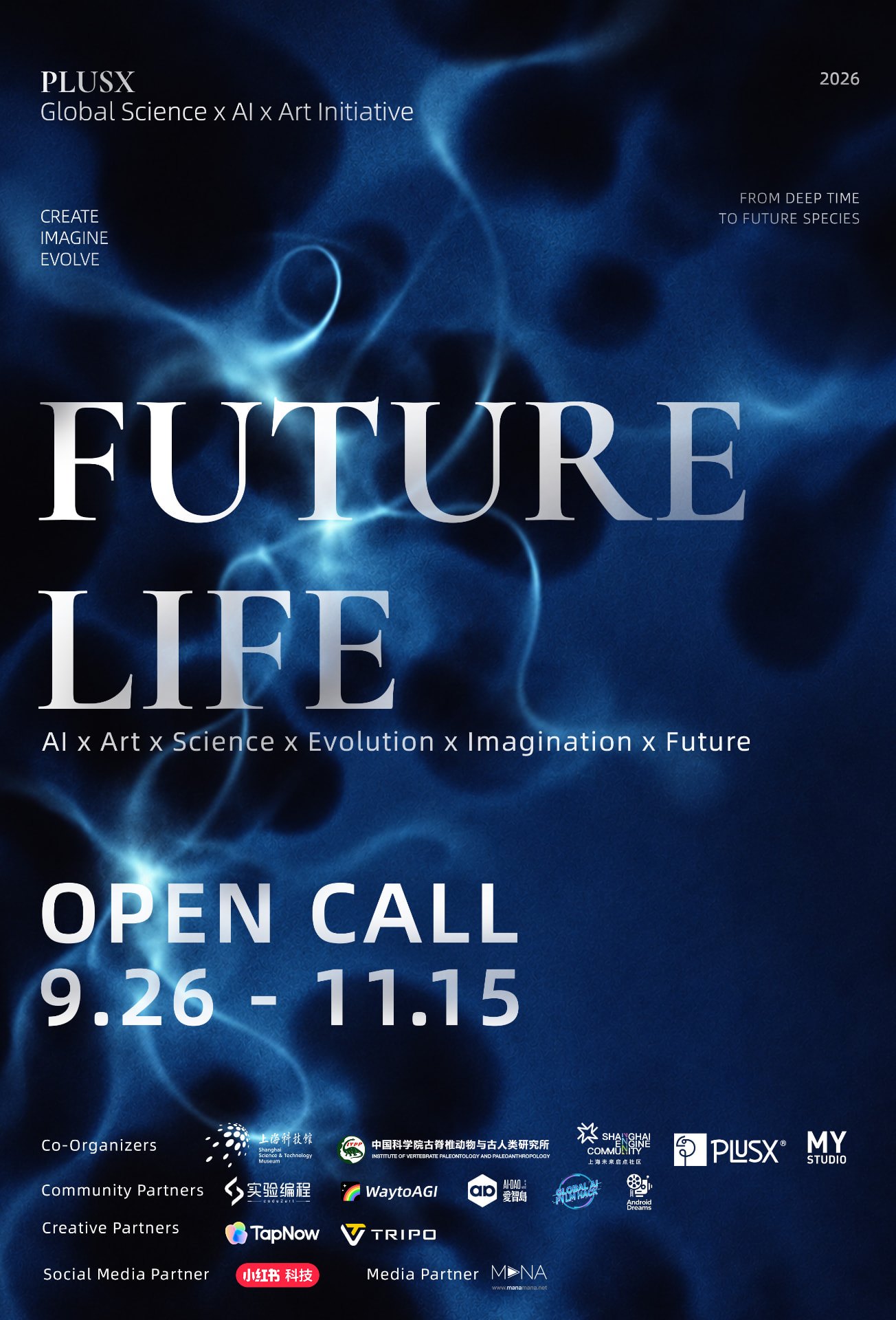
AI × Art × Science × Evolution × Imagination × Future
Global Open Call
9.26 – 11.15
A worldwide call for AI moving-image and digital artworks. Winning works will be shown at the Shanghai Natural History Museum.
Spread the word
Co-Organizers





“From so simple a beginning endless forms most beautiful and most wonderful have been, and are being, evolved.”
Life in the past has left behind evidence of evolution in fossils, bones, and layers of rock. Today, for the first time, we are using artificial intelligence to imagine Future Life in ways that were never before possible.
From the earliest vertebrates in ancient oceans to life’s transition onto land; from increasingly complex bodies, senses, and nervous systems to future species, new forms of intelligence, and emerging ecosystems—evolution has never stopped. And today, new possibilities are opening for how we imagine what life might become next.
When evolution meets artificial intelligence, what might the next form of life look like?
Initiated by PlusX Global and jointly launched by the Shanghai Science and Technology Museum, the Institute of Vertebrate Paleontology and Paleoanthropology, Chinese Academy of Sciences, the Shanghai Future Frontier Community, PlusX Global, and MYStudio Creative Media Studio, the 2026 “Future Life” PlusX Global Science × AI × Art Initiative is now officially open, with a global call for AI moving-image and digital artworks exploring the theme of “Future Life.”
Grounded in evolutionary science, powered by generative AI, and driven by artistic imagination, the Initiative brings together leading scholars, artists, filmmakers, curators, and technology experts from world-class museums, research institutions, and the fields of art and creative technology. It also connects networks of scholars and creators from international universities including MIT and Stanford, inviting a new generation of creators around the world to cross the boundaries of science, technology, and art—and to reimagine future species and posthuman forms through ambitious, visionary storytelling.
The Exhibition
Award-winning works will be featured in a special immersive environment within the Shanghai Natural History Museum’s major exhibition, Deep Time: From Fish to Human. In a museum-scale public setting, visions of future life will enter into dialogue with real fossils, evolutionary evidence, and the immense timescales of deep history.
Our hope is that AI-generated art will move beyond laptops, phone screens, and online feeds—and into museums, public cultural spaces, and science communication environments, becoming part of how we collectively see, discuss, question, and imagine the future.
Theme · Future Life
Creative directions include, but are not limited to:
Starting from the body itself, reimagine how the skeleton, limbs, head, organs, and sensory systems might evolve in the future. The body has never been fixed. If evolution continues, what might the body of the future become?
Imagine possible life forms across multiple dimensions—marine life, terrestrial life, amphibious life, artificial life, and hybrid life—and construct species that do not yet exist but possess their own internal logic. Where do they live? How do they reproduce, communicate, compete, and coexist?
Move beyond a human-centered perspective and explore possible forms of life after the human. Works may address themes such as human-machine fusion, consciousness transfer, non-biological intelligence, and distributed life.
Focus on themes such as artificial nature, multispecies relations, novel marine environments, ecological adaptation under extreme climate conditions, and data-driven environmental systems, constructing complex relationships among life, environment, technology, and resources in future worlds.
Approach life through the layers that cannot be directly seen, transforming genes, cells, nervous systems, and evolutionary data into artistic expression.
If evolution continues, what might life become?
Submission Format
Submissions must incorporate artificial intelligence as a meaningful part of the creative process.
Eligible formats include, but are not limited to
Recommended duration
1–5 min
Basic format
MP4
Recommended resolution 1920 × 1080 or higher
Rules
Awards
Plus the chance to exhibit at the Shanghai Natural History Museum and join Phase II development.
RMB 30,000
cash prize
RMB 15,000 each
cash prize
RMB 5,000 each
cash prize
RMB 5,000 each
cash prize
01
Honoring a work that transforms scientific knowledge into an original and compelling vision of future life.
02
Recognizing exceptional creativity in visual language, moving-image storytelling, aesthetic direction, or overall artistic expression.
03
Recognizing innovative use of generative AI, 3D, interactive technologies, spatial media, or cross-media creative methods.
04
Recognizing a work with strong potential for spatial storytelling and immersive presentation.
05
Selected through public participation. Entrants publish their work on their personal Rednote accounts and take part in the designated #PlusX 共创计划 campaign. The award is determined by valid audience engagement recorded during the official evaluation period. The selected work also receives dedicated promotional support from Rednote. See the official submission form for posting requirements, eligibility, evaluation dates, and selection rules.
A special award for young creators ages 10–15 at the time of submission. Participation requires the consent of a parent or legal guardian.
A full scholarship to the 2027 Wonderland Academy two-week summer program in Silicon Valley, valued at approximately RMB 100,000. Covers tuition, accommodations, and meals. International airfare is not included.
Key Dates
September 26, 2026
Global Open Call
November 15, 2026
Submission Deadline
December 2026
Announcement of Award-Winning Works
Early 2027
Science × AI × Art Forum & Award Ceremony
Early 2027
Phase II Development for Selected Teams
Early 2027
Immersive Exhibition Premiere
Phase II & Immersive Premiere
All award-winning works will have the opportunity to be presented at the Shanghai Natural History Museum. Selected winning teams will be invited to join Phase II, working closely with the curatorial and technical teams to further develop their projects into panoramic works designed specifically for the museum’s immersive exhibition space.
The newly developed immersive works are scheduled to premiere in early 2027, alongside the Science × AI × Art Forum and Award Ceremony. The forum will bring together scientists, artists, AI researchers, filmmakers, and creators to explore the intersections of life, technology, and the future.
Expert Jury
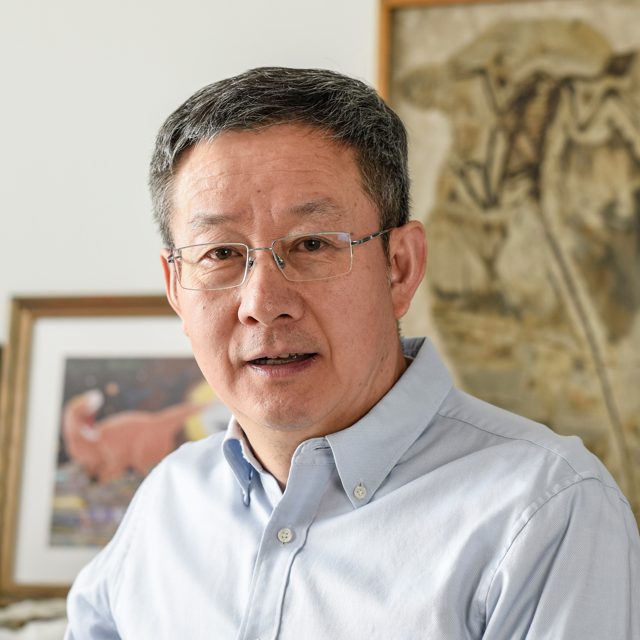
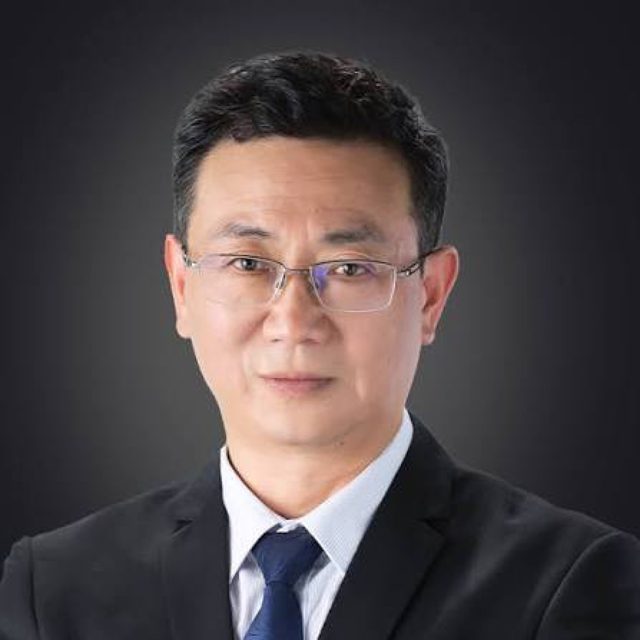
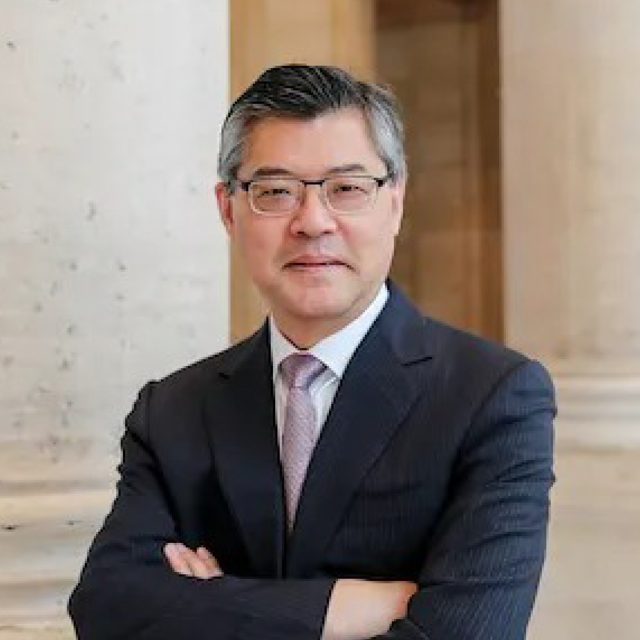
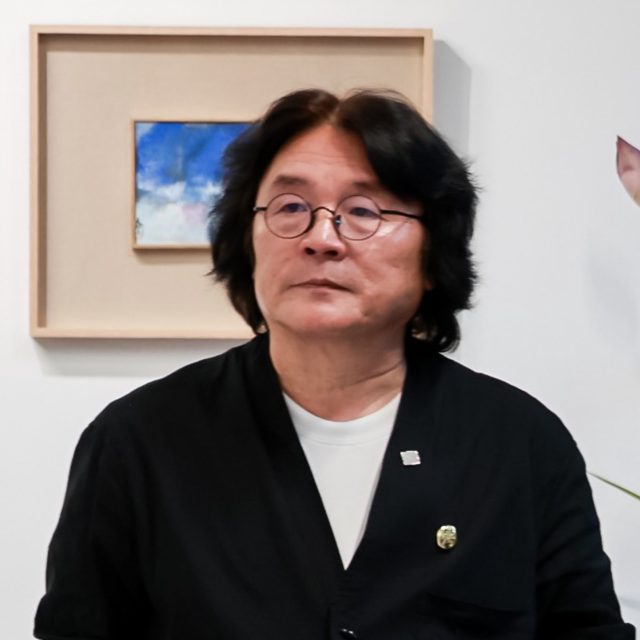
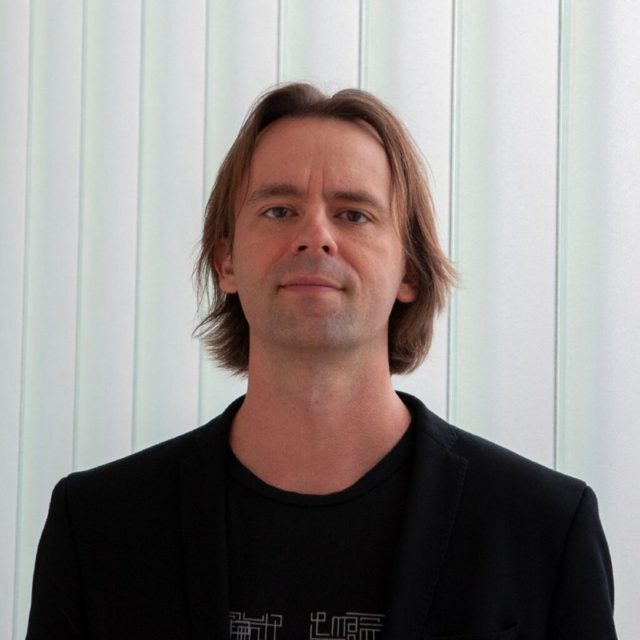
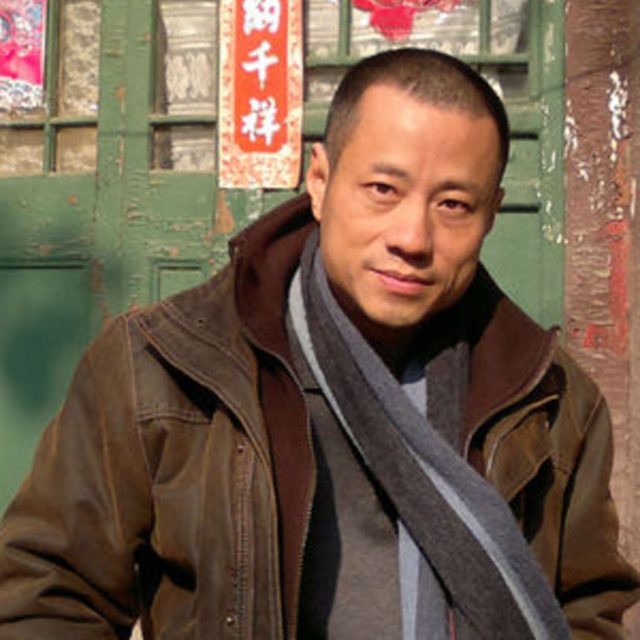
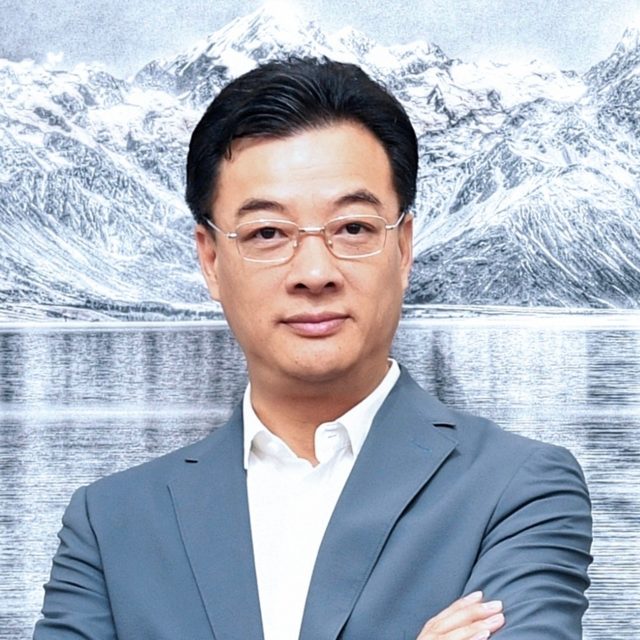
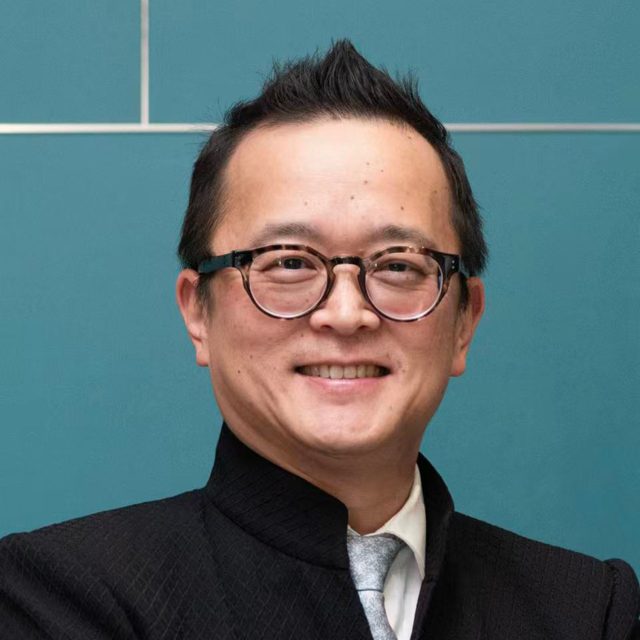
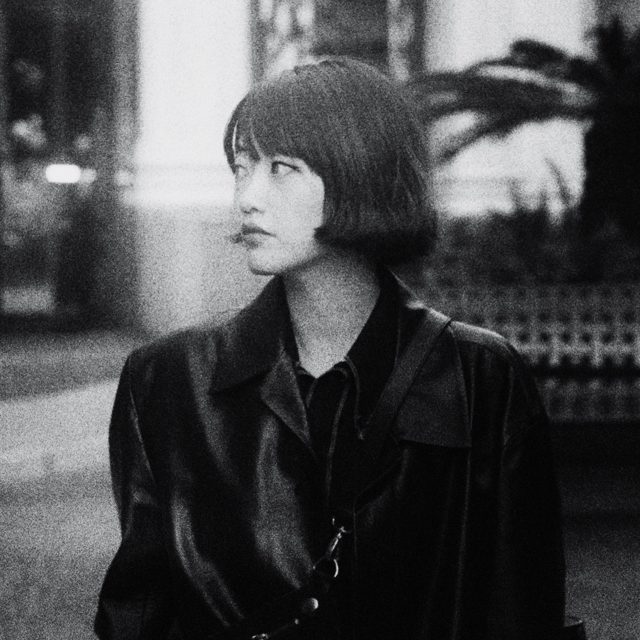
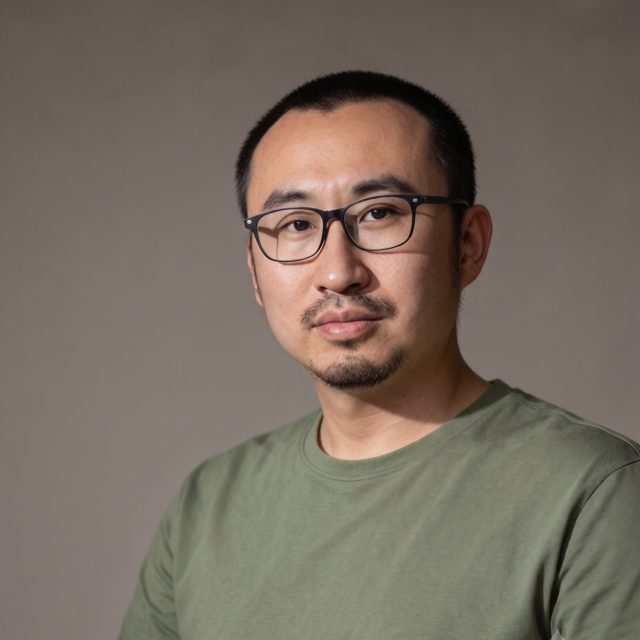
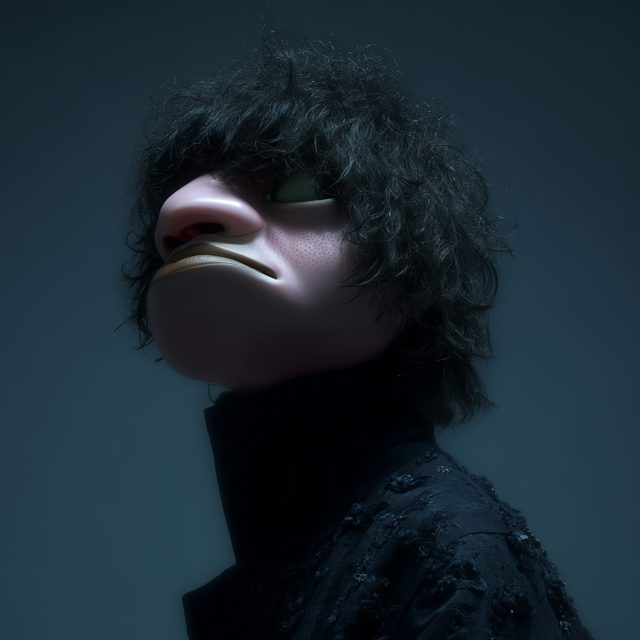
An international jury of experts from the fields of life sciences, artificial intelligence, art, film, design, and museums will evaluate the submissions.
The jury will focus on
We are looking for works that use AI to open up genuinely new ways of imagining—and that raise new questions about the future of life.




How to Submit
Complete the official submission form and upload your work as an MP4 file to TapTV.
Optionally, publish your work on your personal Rednote (Xiaohongshu) account to take part in the People’s Choice Award.
Refer to the official submission form for detailed submission requirements, posting guidelines, and award rules.
Deadline: November 15, 2026
Co-Organizers
Shanghai Science and Technology Museum is China’s only comprehensive science museum complex integrating a science and technology museum, natural history museum, and planetarium.
It is a National First-Class Museum, a National 5A Tourist Attraction, a National Demonstration Base for the Integration of Culture and Technology, a National Science Education Base, and a National Demonstration Base for Educational Tourism.
IVPP is a leading national center for fundamental research and academic thought in vertebrate paleontology and paleoanthropology, as well as for scientific talent development, specimen collections, and public science education.
Working at the frontiers of international scholarship and in response to national strategic priorities, IVPP continues to sustain China’s world-leading position in fundamental paleontological research and has made major contributions to humanity’s understanding of Earth’s evolutionary history.
Established in July 2025, the Shanghai Future Frontier Community is an innovation ecosystem platform built around the core values of “talent + insight.”
It serves as a hub for leading talent and frontier knowledge exchange, with the goal of becoming a preferred landing platform for top international talent returning to China to launch new ventures, while building critical infrastructure for talent development and knowledge advancement across Shanghai’s future industries.
Shanghai Ranshenghe Information Technology Co., Ltd.
PlusX Global connects scientists, museum curators, deep-tech experts, and leading creative teams from around the world to advance new models of science communication and education. By integrating generative AI, spatial computing, and immersive storytelling with rigorous scientific knowledge and artistic vision, PlusX Global creates experiences that combine academic depth with powerful visual impact for audiences worldwide.
MYStudio is a pioneering media art and technology studio working at the intersection of artificial intelligence, cognitive science, extended reality, and performance. The studio explores emerging forms of cross-media artistic expression and content innovation while fostering cross-cultural exchange, interdisciplinary knowledge creation, and global platforms for dialogue across art, science, and technology.
Co-Initiating Communities



Creative Partners


Social Media Partner

Media Partner

Global University Creator Network
Join the Initiative
We welcome more technology companies, research institutions, universities, arts organizations, and creative communities to join the Initiative.
The future of life should not be imagined by any single discipline alone.
Together, let us imagine what life could become next.